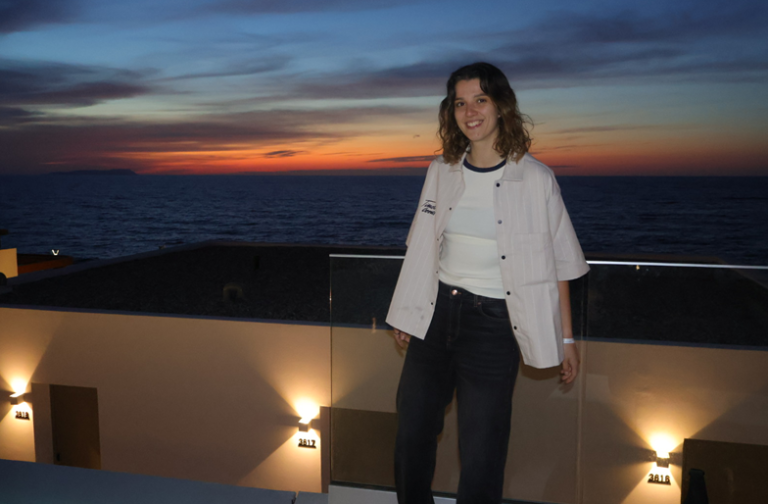
Today is Women in Engineering Day, and we proudly celebrate all those driving change within the field. As the engineering landscape evolves, the contributions of women like Sommer highlight the critical role diversity plays in delivering sustainable, forward-thinking solutions across industries.
1. Hi Sommer, tell us a little bit about you and your role here at STS.
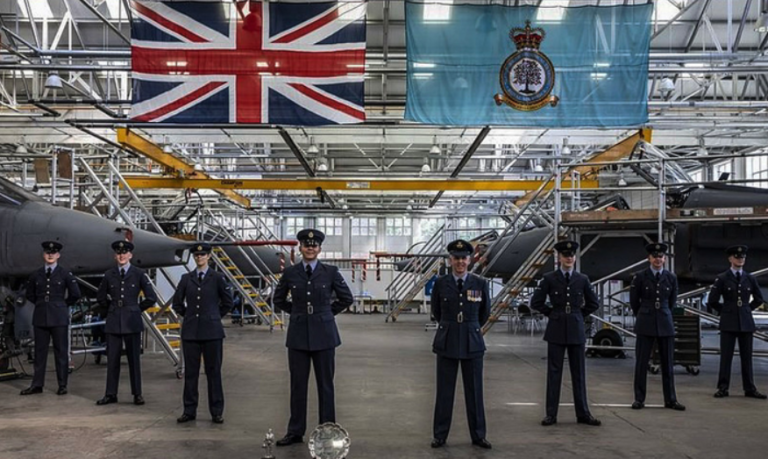
Hi! I’m Sommer, and I recently transitioned from the military into a civilian engineering role here at STS, where I work as an Asset Planning Engineer. My job involves helping to ensure that key infrastructure assets are maintained, optimised, and ready for the future. I combine data-driven planning with on-site experience to make sure we’re investing wisely and keeping services running smoothly. Before this, I spent five years in the Royal Air Force as a Survival Equipment Technician, managing and maintaining life-saving equipment for aircrew and aircraft.
2. What inspired you to pursue a career in engineering?
In the military, I was always drawn to problem-solving, hands-on work, and systems thinking. Working with complex survival and safety equipment sparked my interest in how things are designed, maintained, and improved. Transitioning into engineering felt like a natural next step—especially in a role where I could continue to protect people and assets, just in a different environment.
3. What has been your most rewarding project or achievement so far?
One of my most rewarding achievements has been successfully transitioning from military service into a civilian engineering role. Leaving the RAF after five years as a Survival Equipment Technician was a huge shift—not just in environment but also in mindset. I had to translate my technical skills into a new context, adapt quickly, and prove myself in a completely different sector. Landing my role as an Asset Planning Engineer at STS and hitting the ground running felt like a huge personal and professional win. It confirmed that the discipline, problem-solving, and leadership I developed in the military are highly valuable and transferable.
4. Have you faced any challenges as a woman in engineering, and how did you overcome them?
Definitely. Both the military and engineering are still male-dominated fields, and I’ve had to work hard to prove myself—sometimes more than my male counterparts. Confidence and competence go a long way, but so does having allies and advocates who believe in you. I’ve learned to speak up, trust my experience, and not shy away from being the only woman in the room. It’s challenging, but it’s also changing.
5. What’s something people often misunderstand about your job?
That it’s all spreadsheets and numbers! Asset planning involves a lot of technical knowledge, yes—but also site visits, people skills, and a deep understanding of how things work in the real world. It’s about balancing data with practical insight to make long-term decisions that impact people, the environment, and budgets.
6. How do you see the role of women evolving in the engineering industry over the next decade?
I think we’ll see more women not just entering engineering but leading innovation and shaping the future of the industry. Diversity is increasingly recognised as essential to solving complex challenges, and that opens doors for women to have a bigger voice in decision-making and design. I hope the next decade brings more representation, flexibility, and mentorship for women across all levels.
7. What advice would you give to young girls or women considering a career in engineering?
Go for it! Engineering isn’t about fitting into a mould—it’s about being curious, persistent, and ready to solve real-world problems. You don’t need to have it all figured out from the start; just keep asking questions, get hands-on experience, and find mentors who can guide you. For a long time, I wasn’t always like this. I often shied away from putting myself forward or sharing my ideas. I did what others thought was best or expected, and I kept quiet out of fear of failure or embarrassment. But I’ve learned that everyone sees things differently—and that’s what makes engineering so powerful. Diverse ways of thinking lead to genuine, well-planned, and successful projects. Don’t be afraid to bring your unique perspective to the table—it might just be the missing piece the team needs.
And lastly, Don’t underestimate yourself. You don’t have to be perfect to be capable. Say yes to opportunities—even if they scare you—you’ll grow into them. And remember, asking questions and being curious is a strength, not a weakness.
Inspired by stories like Sommer’s? We’re always looking for passionate, curious minds to join our team. Explore our open roles and discover how you can help shape the future of engineering—because the next great idea could be yours. Click here to see our current open roles –Careers at Severn Trent Services – Severn Trent Services