As the nation pauses to reflect on the dedication and sacrifice of our military personnel this Armed Forces Day, it’s also a time to celebrate the journeys veterans take after service. For many, the transition from military life to civilian careers can be both challenging and rewarding. James, a former Army Air Corps communications specialist, shares his story of how the values, skills, and leadership forged in uniform have found a new home at Severn Trent Services, helping to keep national infrastructures water flowing while continuing to serve in a different, but equally vital, way.
- Hi James, first things first—introduce yourself to us! What did you do in the Forces, and what do you now do for STS?
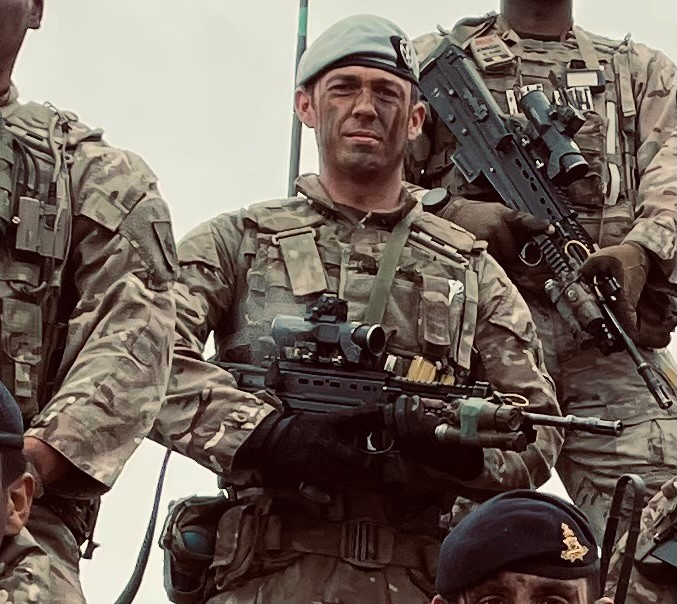
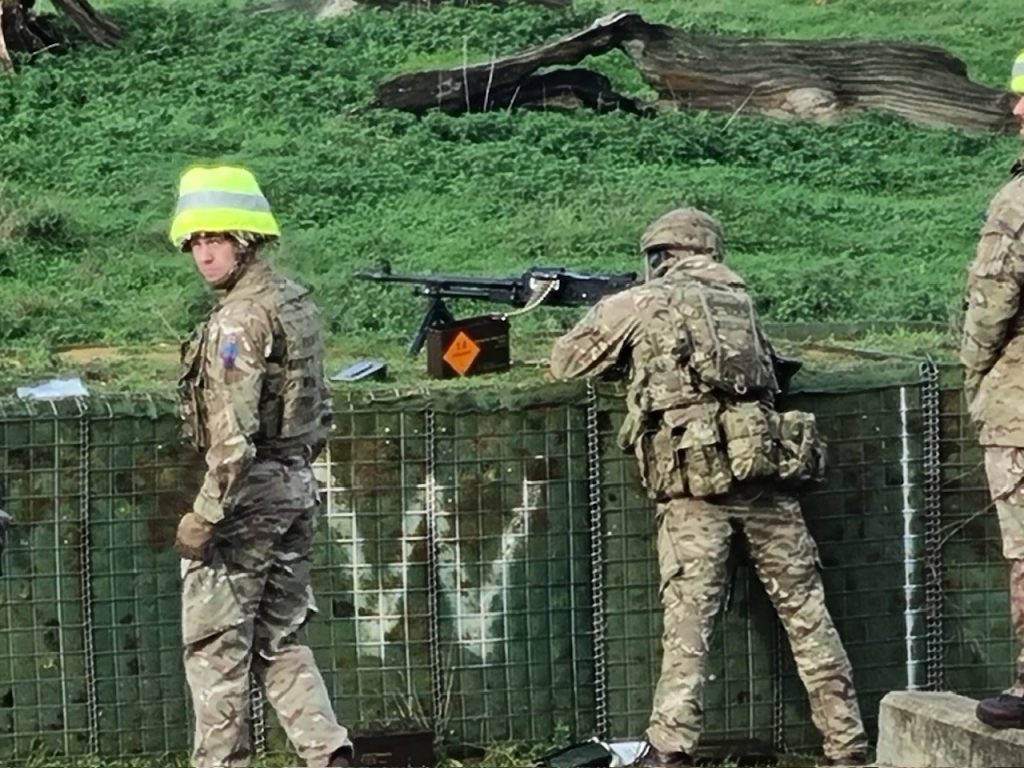
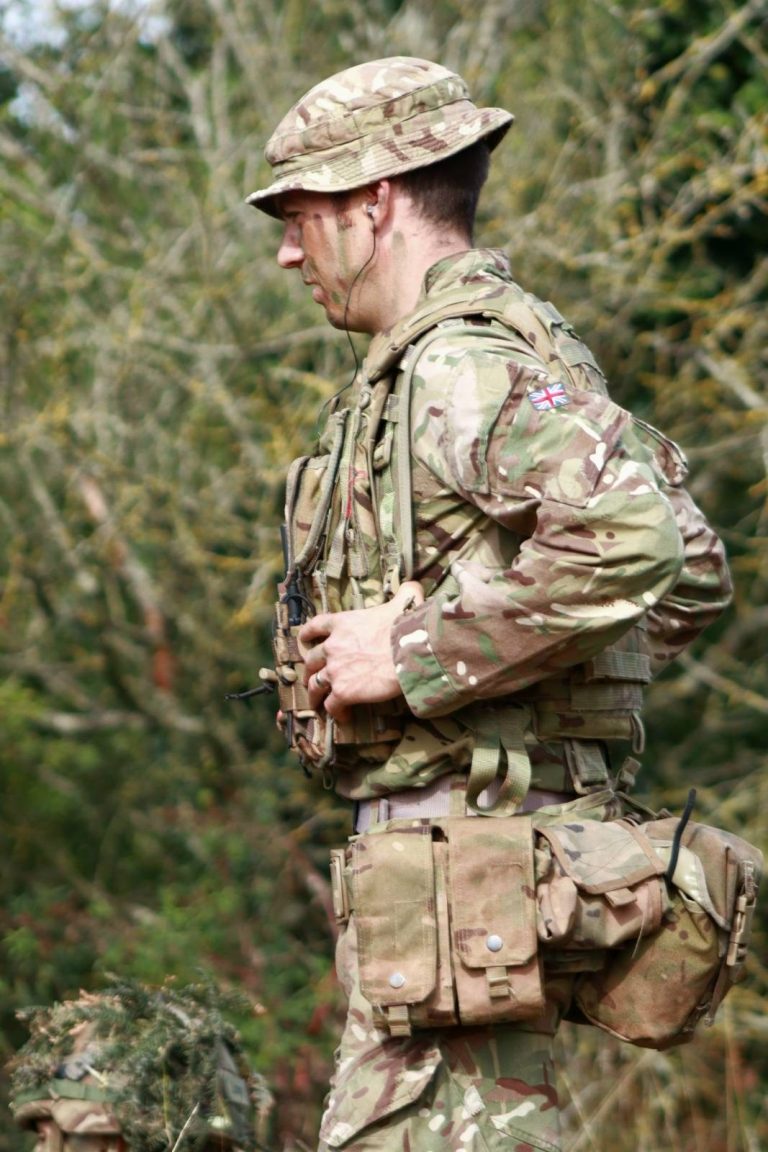
I joined the Army in 2011. I had always wanted to serve, and after seeing a photo of an Apache helicopter in the careers office, I immediately knew what I wanted to do. I joined the Army Air Corps and trained as an aviation communications specialist. My role took me all over the world, gaining experience that would have been impossible to acquire in any other job. As I progressed and gained qualifications, I led more and more training activities, eventually finishing my Army career as the Training Senior Non-Commissioned Officer for a front-line regiment.
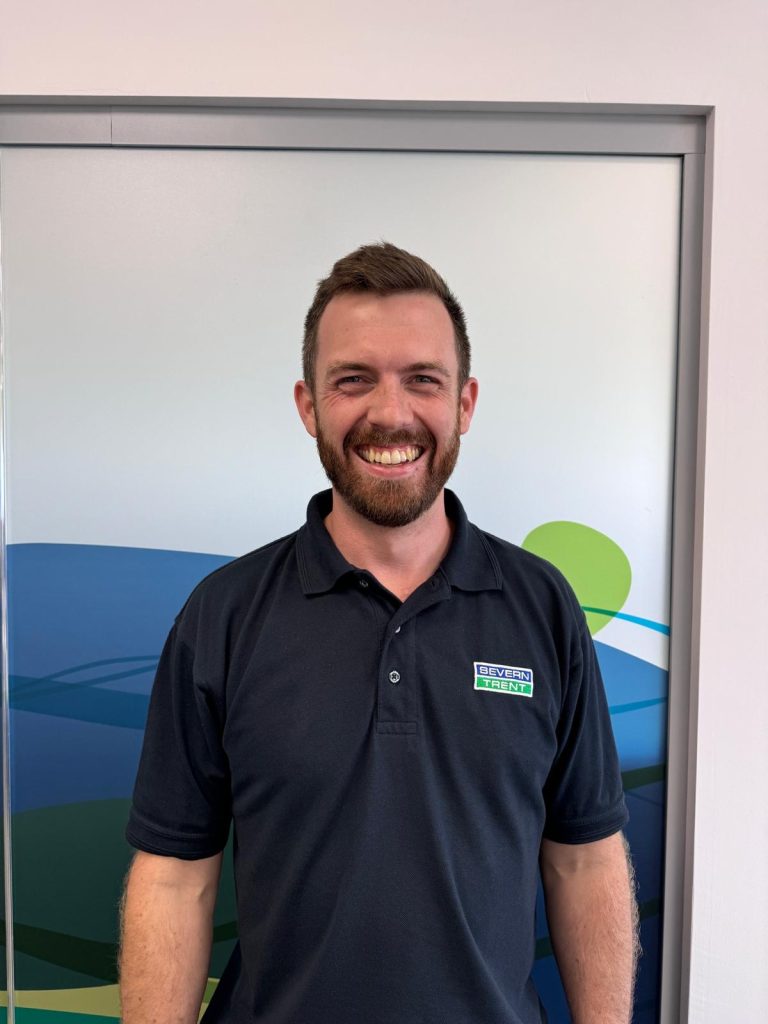
Since leaving the Army, I’ve been employed by STS as the Regional Service Delivery Manager for the East of England. In this role, I manage a team of field technicians and work alongside M&E, infrastructure services, network specialists, environmental teams, and others—all working together to maintain the flow of water across 92 MOD and DIO sites. I really enjoy the role and learn something new every day.
2. What skills and experience did you develop during your Armed Forces career that have been highly valued at Severn Trent Services?
The Armed Forces are excellent for skills development. Serving often means working in high-pressure environments, taking on added responsibilities, and handling complex tasks. Leadership stands out in particular. In the Forces, leadership is different from the civilian world—you can be responsible for people’s lives from a young age. Leadership is developed from day one in basic training and continues throughout your military career, through every course, exercise, and daily task, including bespoke training and qualifications.
These leadership skills translate well to civilian life. The nature of the task may differ, but the ability to make decisions, brief a plan, and look after your team are all skills I use just as much now as I did in the Army.
3. What drew you to a career in the water industry after serving in the Armed Forces?
When I decided to leave the Forces, I had no idea what I wanted to do. After 13 years of service, I wasn’t sure where my experience would take me, and I didn’t fully understand the intricacies of many of the roles I saw advertised. The water industry stood out to me for a few key reasons:
- It’s a busy, hands-on industry where no two days are the same—something I was used to.
- Water and wastewater services are needed nationwide, offering endless opportunities.
- The flow of water is vital to everyone in the UK. The industry faces many challenges—capacity, energy efficiency, environmental impact—and I found that appealing. I wanted to put my problem-solving skills to good use.
I explored a number of roles in the industry and applied for several. After reflecting on what I wanted and the skills I hoped to continue developing, I set my sights on a leadership role. When I saw my current role advertised, it sounded perfect. I applied straight away—and here I am today.
4. How do Severn Trent Services support veterans who have joined after a career in the Armed Forces?
Naturally, I had a lot of worries when I left the Army. I had no real idea what my new role would look like, and very little idea of what civilian life would be like. There was definitely some anxiety. However, from day one at STS, I was trained and supported. I’ve learned a lot about the water industry, civilian employment (policies, ways of working, health and safety, etc.), and most importantly, I’ve learned where I fit in. STS has been supportive throughout, allowing me to learn and settle in at my own pace.
STS, and the wider Severn Trent Group, offer a lot of support for veterans. I’m now part of the Armed Forces Network core group, helping to build a community within Severn Trent. The aim is to provide that familiar buddy-buddy system veterans are used to—offering help, advice, or just a listening ear. It’s a great lifeline for any veteran in the business.
5. How different does life look since leaving the Armed Forces?
Life since leaving the Army is drastically different and has taken some time to adjust to. That’s not to say it’s bad—any big change takes time. A complete overhaul of lifestyle, schedule, and routine takes a little longer. I’m genuinely enjoying the new normal. My work-life balance has drastically improved, and I now have much more time to spend with my family than I did while serving. Yet, I still feel a sense of accomplishment at the end of a hard day’s work.
It’s completely normal to feel a little out of place when you first leave the military. While there are some similarities in the day-to-day, it’s very different in the grand scheme of things.
6.What does Armed Forces Day mean to you personally?
Armed Forces Day is a time for me to reflect on my time in service and to thank those who continue to serve. Although I’ve moved on from my military career, I still have many close friends who remain in service.
7. And finally, do you have a favourite military tradition or saying that still sticks with you?
“Civvies pay thousands for this.”
A phrase often heard on exercise—usually when it was pouring with rain, sleet, or snow (a phenomenon that only seems to occur on military training areas), no one had eaten, and morale was low. The phrase was meant to highlight that civilians actually pay for the “military experience” and sometimes find themselves in equally miserable conditions. I assume it was originally meant to boost morale, but it usually had the opposite effect!
While it’s true that civvies do pay for it, the difference is they’re not usually back doing it again two weeks later—probably never again, in fact.
Now, as a civvy myself, I can honestly say I can’t imagine ever paying to go on a military-style exercise experience—but hey, each to their own!
This Armed Forces Day, we honour those who have served and celebrate the new paths they forge. If you’re a veteran considering your next mission, explore how your experience can make an impact with us here Careers at Severn Trent Services – Severn Trent Services.