The situation
Severn Trent is undertaking a major project to enhance its region’s river health. The company has set a target to reduce spills at 40% of active storm overflow sites through improvements to its wastewater network, including upgrades to its numerous reed beds.
Oren Environmental and its team of trusted partners were tasked with ensuring that 18 reed beds, each averaging 300 square metres, across 13 sites in the Severn Trent region were fit to operate at optimal efficiency for many years to come.
The reed beds in Severn Trent’s treatment facilities are an essential part of the tertiary treatment process for sewage. A nature-based solution, these reed beds serve as a final filter before the treated water is released back into rivers. Additionally, they create a wonderful environment for various plants and wildlife, protecting the local ecosystem and promoting biodiversity.
Oren Environmental was also tasked with rolling out modular reed beds at three other sites within the Severn Trent patch. The modular reed beds are a temporary measure, designed to intercept the normal route for stormwater and filter it before it reaches nearby rivers.
Our approach
Following the extensive feasibility and scoping stages, a temporary treatment system was implemented while the 18 reed beds were isolated and taken offline for refurbishment.
The reed beds were located adjacent to other treatment assets that were also undergoing significant upgrades, resulting in a busy site with numerous different contractors working alongside the Oren Environmental team.
After accumulating waste materials, the contents of the reed beds needed to be removed layer by layer. This waste belonged to different streams, requiring separate handling and disposal. Most of the waste extracted from the reed beds was repurposed, for example, as recycled aggregates in other Oren Environmental projects.
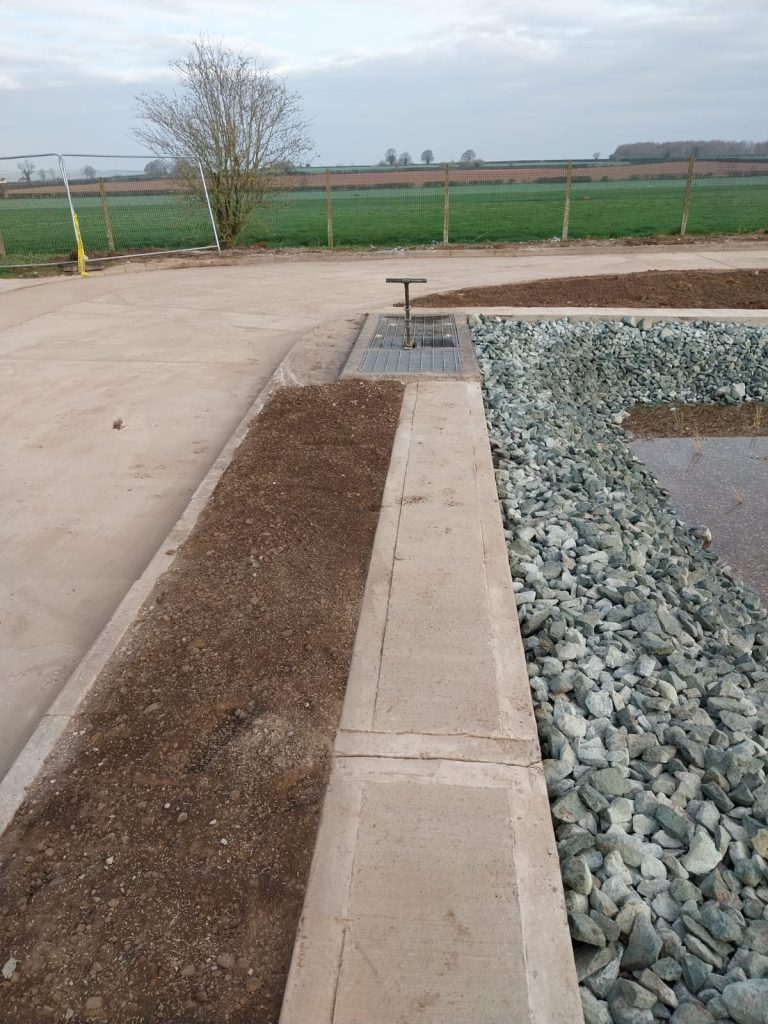
Once the reed beds were emptied, new liners were installed. An aeration system was designed and implemented to provide increased airflow through the reed beds, helping the bacteria that break down wastewater to thrive.
New pipework was added, the reed beds were refilled, and new reeds were planted. Additionally, perimeters and paths were established around the reed beds.
Oren Environmental’s aftercare programme includes monitoring the reed beds before they’re put back online to ensure compliance.
Modular reed beds have been delivered to the other three Severn Trent sites and are ready for installation. The team has already prepared the land by creating hardstanding areas. These reed beds will offer a temporary, movable, and cost-effective solution for treating sewage and stormwater, allowing it to be safely returned to the environment.

Obstacles we overcame
- Timescales –
Severn Trent sought a partner capable of working with urgency to enhance the health of the region’s rivers as quickly as possible and meet its ambitious goal of reducing spills at 40% of active storm overflow sites. To address this challenge, Oren Environmental deployed multiple teams to work simultaneously at sites, committing to complete the project within six months. - Dynamic designs –
The challenging timelines required Oren Environmental to operate in a busy and dynamic environment where designs and plans were constantly evolving. This situation demanded flexibility from Oren Environmental. To help this, the team established strong relationships with Severn Trent project managers, ensuring they were actively engaged in the decision-making process and closely involved in the wider project.
- Access –
The location of the reed beds, along with the involvement of multiple contractors working on various jobs, made site access quite challenging. Large vehicles were necessary to deliver materials, collect waste, and navigate the tight spaces on-site. To manage this, the Oren Environmental team built an excellent rapport with contractors they shared the site with, utilised a conveyor to transport materials, negotiated agreements with nearby landowners, and distributed letters to local businesses and residents to keep them informed about the ongoing works. - Christmas –
In one area, Santa Claus paid a visit but subsequently closed the village, meaning the Oren Environmental team had to put down their tools. Alternative work was done on that day, and resources were redirected to other sites, so time wasn’t wasted.

Our impact
As a result of our work:
- Eighteen reed beds will now operate at optimal efficiency, treating water before it flows into nearby rivers and improving river health.
- With regular maintenance, these reed beds will be able to treat wastewater for decades.
- They also create habitats for wildlife and plants, thereby enhancing the local ecosystem and promoting biodiversity.
- Once the modular reed beds are fully operational, treated stormwater and sewage will be filtered before it is released into the rivers.
- Oren Environmental has played a significant role in helping Severn Trent achieve its goal of reducing spills at 40% of active storm overflow sites.