Dan Allman is the managing director of Oren Environmental. This year, the company is celebrating 10 years of refurbishing reed beds for organisations nationwide, ranging from the largest, at 37,000 m², to the smallest measuring just 50 m². The business also designs, installs, and maintains reed beds.
Reed beds, often as part of a treatment works or scheme, are commonly used to treat different types of wastewater before it’s returned to the environment, including sewage, stormwater, mine water, and trade effluent.
In this article, Dan discusses what a reed bed refurbishment entails, why reed bed refurbishments are necessary, and the industry trends that he and the team have observed over the years.
The job of refurbishing a reed bed
Following a site survey, Oren Environmental will recommend a refurbishment if it determines that the reed bed is no longer functioning effectively.
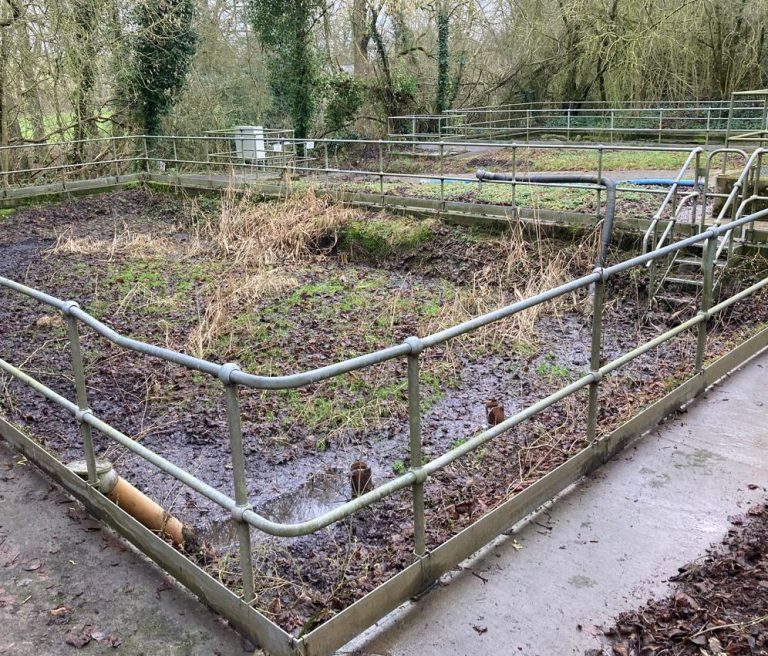
Dan explains: “All the signs are usually there on first inspection. The reed bed might be buried under foliage, the condition of the reeds themselves could be poor, water might not be flowing through the reed bed due to excessive solids accumulating within the bed, or you might see the untreated wastewater spilling out due to structural issues.
“Lab tests of samples from nearby watercourses can also confirm if environmental permit consents are being breached.”
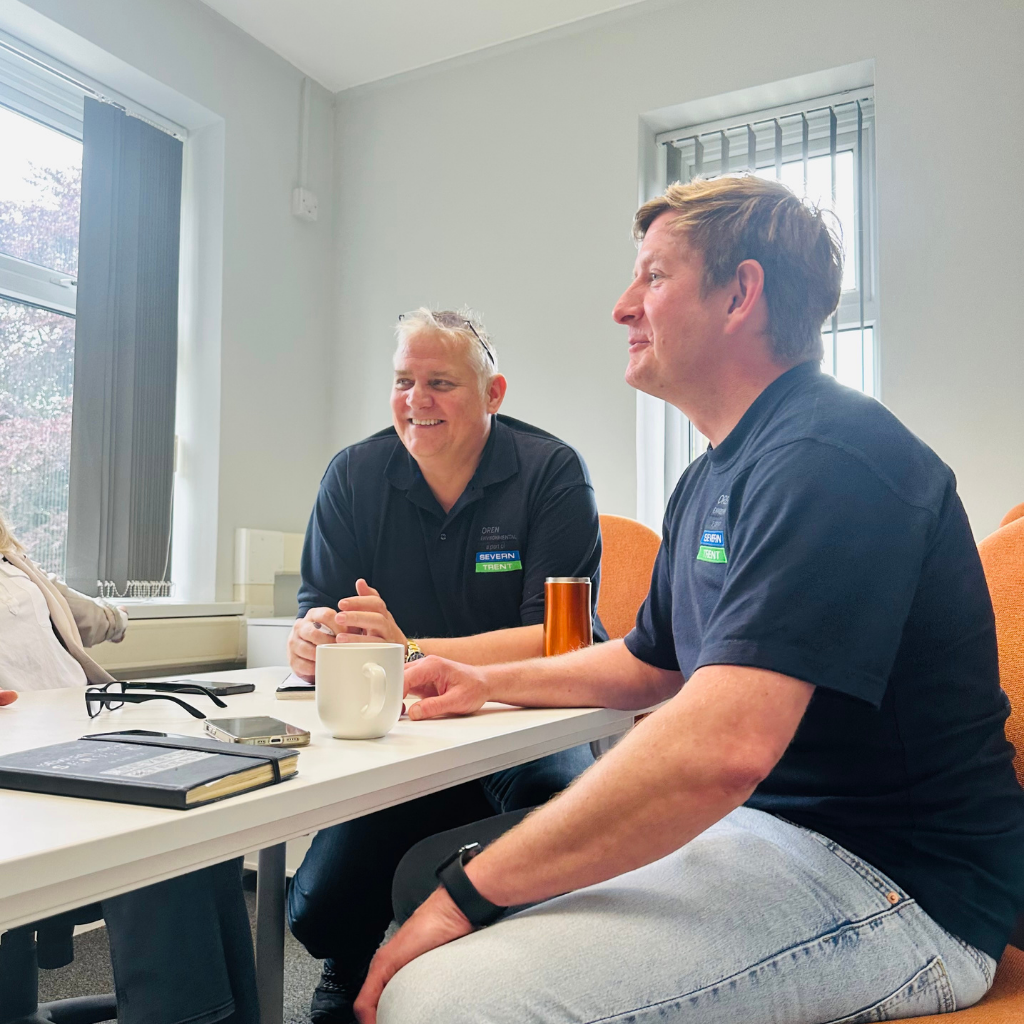
Organising and gaining safe site access is one of the first things Dan and the team must do. Reed bed refurbishments require the team to transport and use heavy plant and equipment onsite, typically over two weeks, while minimising disruption to the local community.
While reed bed refurbishments can vary depending on the type of wastewater being treated and whether a full or partial refurbishment is required, they often follow a similar process.
Dan adds, “Often we have to design and install temporary treatment systems while the reed beds are taken offline for refurbishment.
“Then it’s a matter of draining the reed bed and removing the sludge and silt that have built up over the years. One of the benefits of working with Oren Environmental is that we utilise our landspreading permit to repurpose approximately 90% of the excavated material, benefiting farmers by adding essential nutrients to the soil. If necessary, the layers of media are cleaned or replaced to restore proper drainage and filtration. Sometimes, structural repairs are required to the liner, or new pipework is needed.
“New reeds are then planted, or existing reeds are transplanted, and often new paths and perimeters are required to improve future access to maintain the reed bed. Finally, the system is recommissioned and monitored to ensure it returns to optimal performance.”

Reed beds can’t be built and forgotten about
In the team’s experience, reed bed maintenance can often get overlooked, which is usually why a refurbishment is needed.
Dan says, “Reed beds can’t be built and forgotten, because like any asset, they change over time and gradually lose their ability to treat water. In the worst cases we’ve seen, this can lead to pollution and consent breaches.”
Tasks such as sampling water, assessing water levels, cutting reeds and surrounding trees, ensuring inlets and outlets are blockage-free, and conducting visual inspections to check for invasive species should form part of a regular maintenance plan.
Dan adds, “It’s like servicing your car or your boiler. It’ll be okay until it’s not, and when it totally fails, then you’re on the back foot. This can be quite serious in a treatment works scenario. You could pollute a watercourse, incurring fines and damaging your reputation. My advice is to maintain your reed beds. It’s the safety net at the back end of the works that, if working properly, will save a consent breach.
“Once we’ve refurbished a reed bed, we create an annual reed bed maintenance plan.
In our experience, a 10-year plan can double the life of the reedbed. It also saves a fortune in TOTEX costs, as opposed to the expense of full refurbishments. Regular maintenance over a 10-year period will keep the bed in working operational condition and significantly extend the asset’s life.”

Industry changes over the years
Over the last decade, the Oren Environmental team has witnessed numerous changes in the industry. For example, reed beds are now recognised for their ability to naturally treat wastewater with minimal energy use and low operational costs. The industry knows they’re a sustainable option.
Dan explains: “There’s greater demand today to help organisations to improve their environmental performance. Our reed bed work helps them to do that. For example, by recycling the waste sludge removed from reed beds to use on farmland, we improve soil health. Or, by transplanting, or growing our own reeds to avoid buying new.”
With more than a decade of hands-on experience, the team has also leveraged advances in technology to develop innovative techniques that save time and money for their customers.
Dan concludes: “Over the last ten years, we’ve honed our technical expertise with a deep understanding of natural systems, like reed beds, which have helped customers extend the life of their assets, improve their environmental footprint, and maintain compliance with confidence.”